Tips for driving on the beach Summer is here, and for those of us who want to hop in the little deuce coupe and head for the beach, some driving on sand ma
Tips for driving on the beach
Summer is here, and for those of us who want to hop in the little deuce coupe and head for the beach, some driving on sand may be required. Hard-packed sand is a snap, but what if your tires have to take on loose, fluffy sand on a beach or in the desert? Here are some general tips to help with your sand driving.
Air out your tires

Popular Mechanics suggests keeping tire psi at 12 to 15 for loose sand driving. That’s much too low for paved roads, but it creates the necessary footprint for sand. You’ll skim the surface more easily, rather than digging in and becoming stuck. Reinflate as soon as you’re back on solid ground, however. If you go even a couple of miles before finding an air pump, the tires could peel off the rims. At the very least, you’ll have great difficulty cornering and braking.
Don’t be too sharp
Sharp turns on sand will cause your tires to dig in deeper, which you don’t want to do. Driving in sand should be kept as straight as possible. If you must back up or use a shovel to fill in holes, do so. If you do get stuck, don’t continue to spin the tires. Use floor mats, tree branches or a chunk of chain link fence to help gain traction. Even wetting down the path to make the sand grains stick together helps.
Do not attempt with front-wheel drive
If you are planning to drive in sand, don’t do it with a front-wheel drive car. You’ll become stuck almost immediately. Rear-wheel drive is an improvement, but 4WD is ideal. Part-time 4WD low and a locked center differential, which helps to maintain sufficient torque at low speeds, are great for driving on sand. Full-time AWD also works on sand, but the lessened ground clearance and lack of the lowest gears can cause problems over time.
Two affordable vehicles good for beach or desert driving
Both of these vehicles can be had in the low- to mid-$20,000 range:
- Jeep Wrangler – A fun convertible with the off-road capability to conquer and dry sand environment.
- Audi A4 Avant Quattro – An AWD wagon with storage for surfboards and a 2.0-liter turbo engine with serious torque to take on the sand.
The desert demands patience and concentration
From the current CDE newsroom
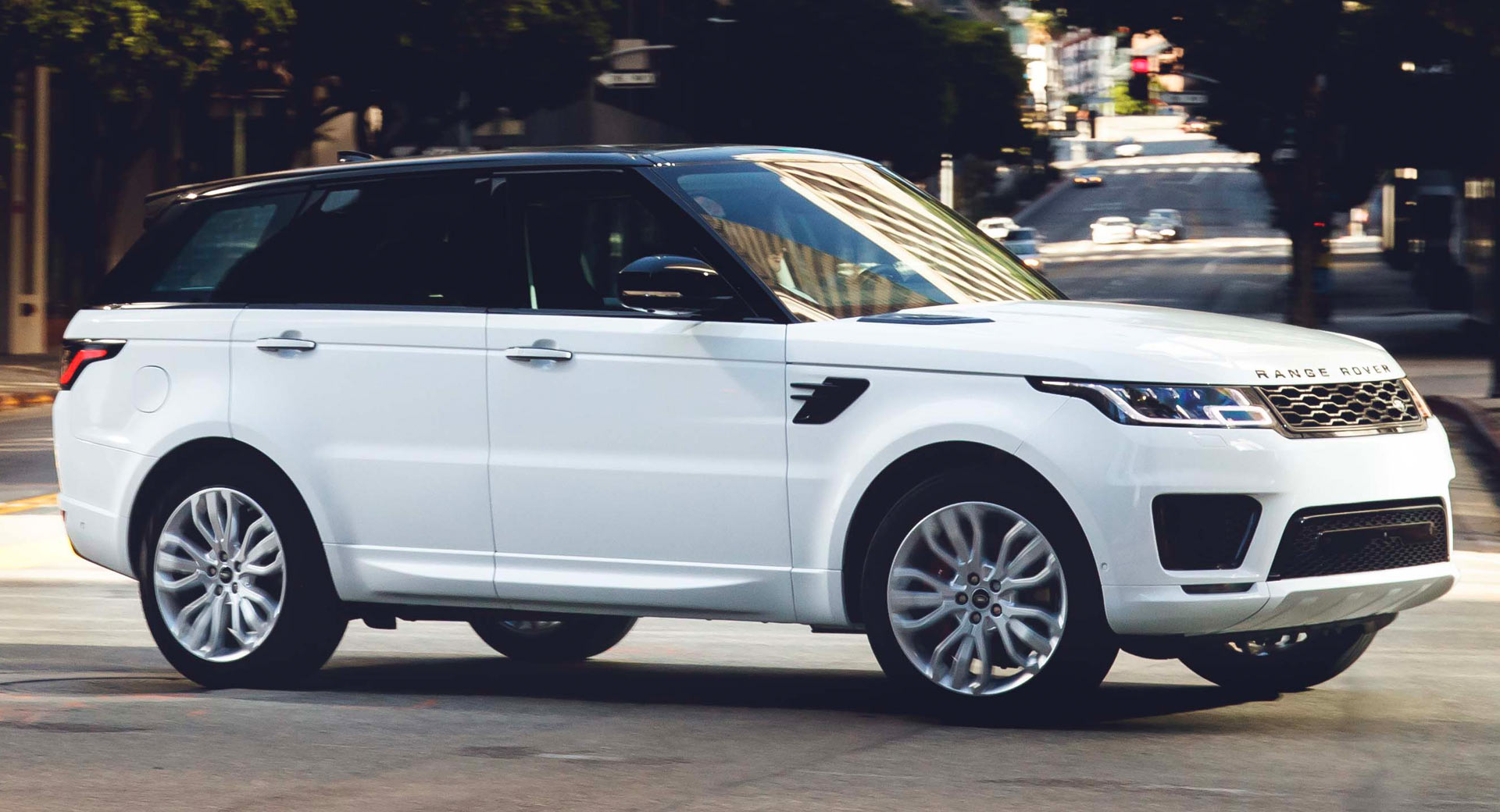 Negative equity on a premium PCP in 2026: how it happens and how to get outNegative equity traps premium car buyers fastest. We explain how it happens, how to avoid it, and the Consumer...
 PCP Early Settlement UK 2026: Halves Rule GuidePCP early settlement UK 2026: how to get a section 97 figure, use the 50% Halves Rule, and avoid voluntary sur...
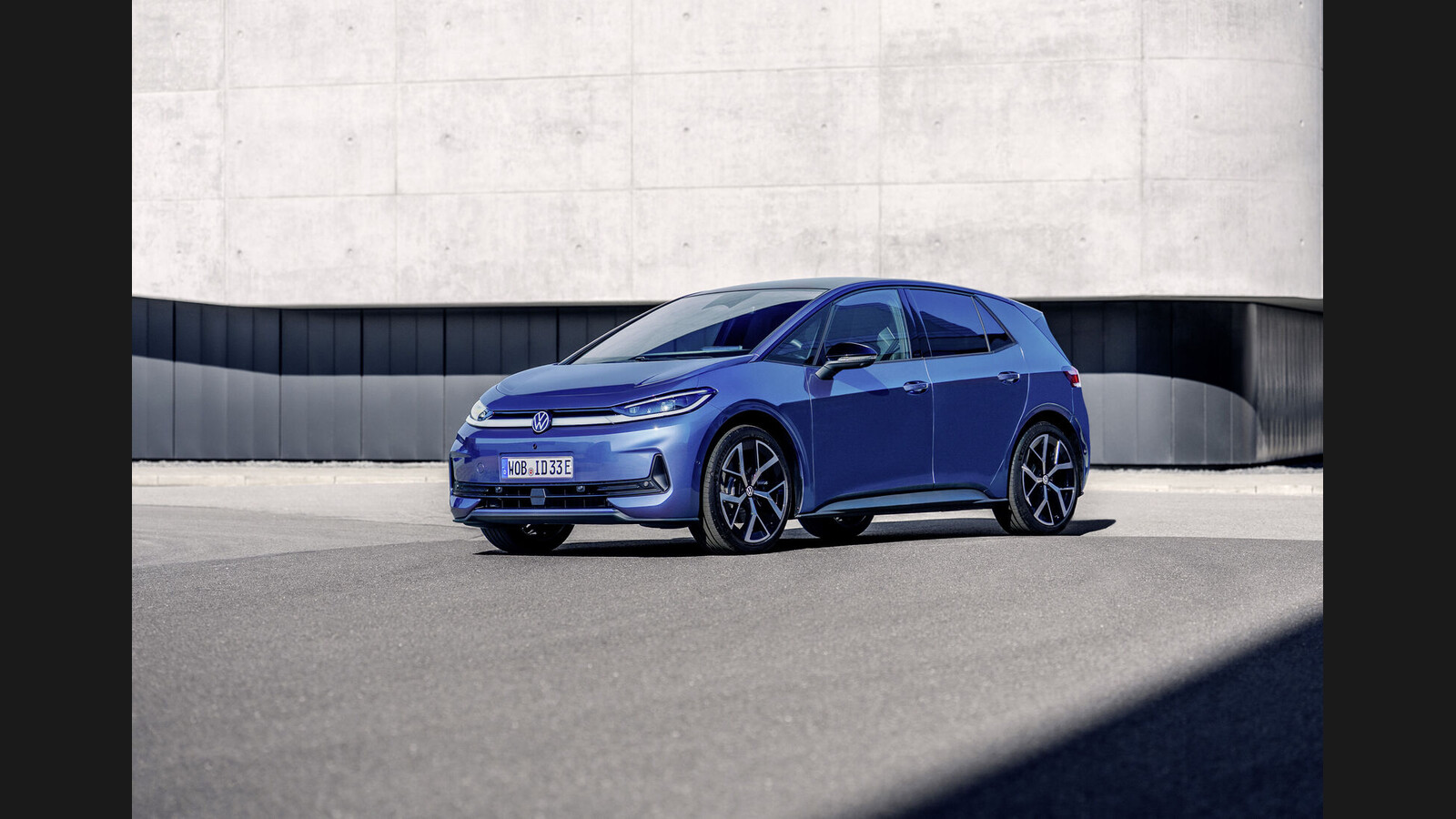 Company Car Tax 2026/27 UK Electric Vehicles: BIK Rates ExplainedCompany car tax 2026/27 UK: electric BIK rises from 3% to 4%, then 5%, 7%, 9% by 2029/30. Worked example, petr...
Buyer action
Where to check next
Use this as the final check before paying a deposit, signing finance paperwork or relying on a headline monthly figure.