How to jump start your car Aug 17, 2010 by Steve Tarlow Don’t think it won’t happen to you , or someone you want to impress. One morning, your car won’t st
How to jump start your car
Don’t think it won’t happen to you , or someone you want to impress. One morning, your car won’t start when you need it to. Rather than calling for help, however, you can be prepared for this situation. If you have jumper cables and can tell the difference between red and black and the plus and minus symbols, you can learn how to jump start a car. Having a second car with a functioning battery is also important, although it isn’t always necessary. Provided that a dead battery is actually the culprit, follow along and you’ll be done in no time.
Is it the battery?
The sure way to tell if a dead battery is the reason your car won’t start is to turn the key in the ignition. If no electrical sounds are heard inside the car and the engine doesn’t even try to turn over, a jump start may be effective. Get your jumper cables and get to work.
Get ready to jump
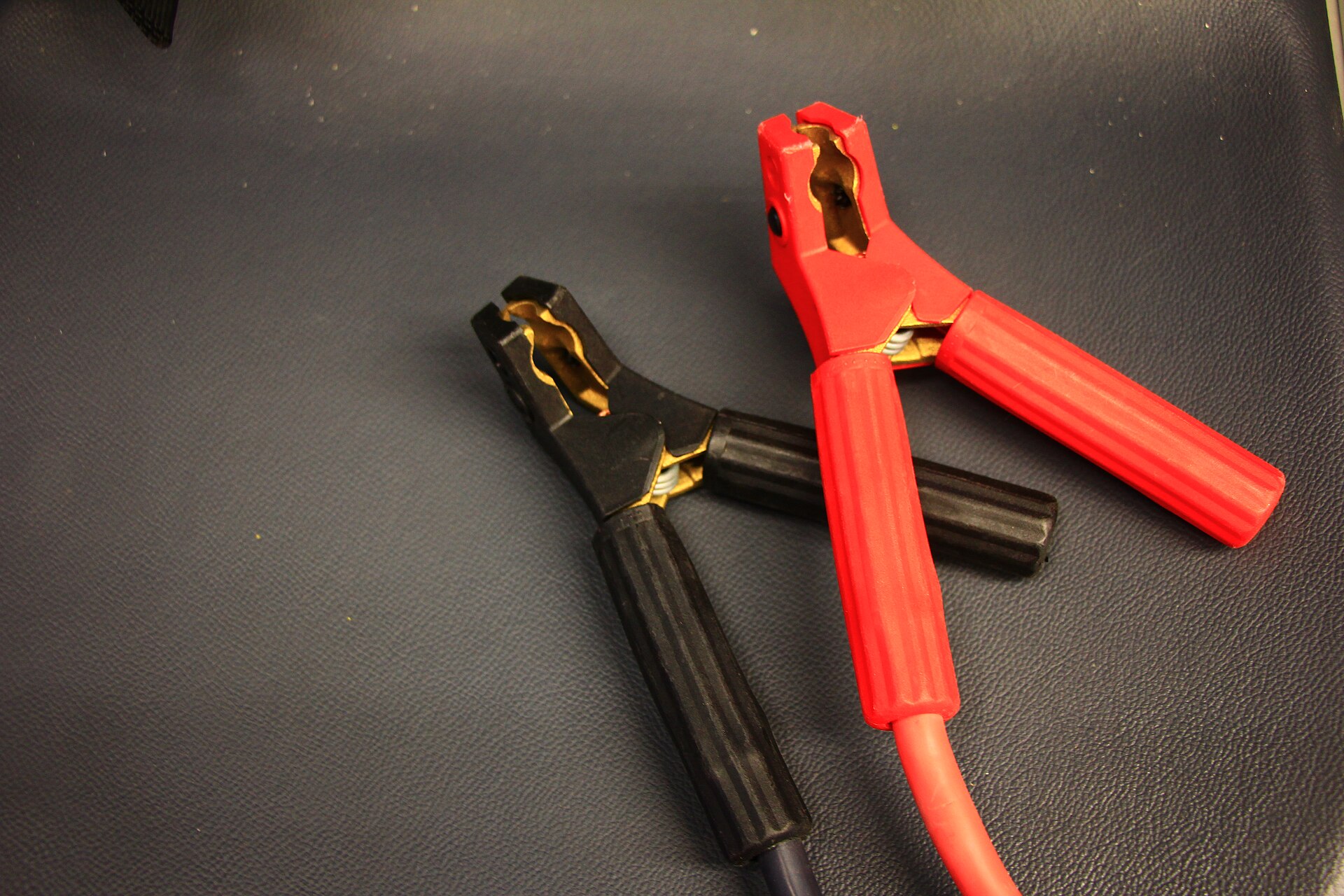
Jumper cables should be a part of everyone’s road kit. Pop the hood on both your car and the helper car and make sure both cars are turned off. Next, take one red/positive end of your jumper cables and connect it to the red/positive metal terminal on the stalled out battery. The metal clamp should firmly attach to the terminal. If the terminal is dirty, clean the grit away with a wire brush. Having made sure of this, attach the other red end of your jumper cables to the positive terminal of the good battery. Then connect one black end to the negative terminal of the good battery. The opposite end of that cable should not connect to the negative terminal of the dead battery, however. Doing so can produce sparks and a possible battery explosion. That leftover negative cable end should actually be attached to a clean, unpainted metal surface under the hood of the dead car.
Start it up, remove the jumper cables and wait some more
After the jumper cables are properly connected, start the car with the good battery and let it run for a few minutes before you try to start the dead vehicle. Assuming a stalled battery was the problem, the afflicted vehicle should start without trouble. Carefully remove the cables in reverse order and let your car run for at least 30 minutes so that the power cells of the battery have time to cycle themselves for a proper recharge.
What, no cables?
Yes, it is possible to jump start a car without another car available, but it must be a manual transmission vehicle. Thanks to The Art of Manliness, you too can know the secret. First, you’ll need a gradual downhill road that isn’t busy with traffic; it’s safer that way. Having friends to give the car a push on flat road also works. Press the clutch and shift into first gear, then turn the key in the ignition. Take your foot off the brake and let the car roll. The clutch should still be depressed. Coast until your speedometer reads five to seven miles per hour. Once there, let go of the clutch immediately. The engine should turn over and start, but it may take multiple tries. This is why it pays not to attempt this on a steep road by yourself. Rope your buddies into the adventure, and assure them that you don’t intend to use them as human speed bumps.
It’s more difficult to obtain auto loans if you use your friends as human speed bumps
Sources:
How to jump start your car – a visual guide for beginners

MCDE Editorial
From the current CDE newsroom
 Negative equity on a premium PCP in 2026: how it happens and how to get outNegative equity traps premium car buyers fastest. We explain how it happens, how to avoid it, and the Consumer...
 PCP Early Settlement UK 2026: Halves Rule GuidePCP early settlement UK 2026: how to get a section 97 figure, use the 50% Halves Rule, and avoid voluntary sur...
 Company Car Tax 2026/27 UK Electric Vehicles: BIK Rates ExplainedCompany car tax 2026/27 UK: electric BIK rises from 3% to 4%, then 5%, 7%, 9% by 2029/30. Worked example, petr...
Buyer action
Where to check next
Use this as the final check before paying a deposit, signing finance paperwork or relying on a headline monthly figure.