Coasting while in neutral is dangerous and does not save gas Consumers are always looking for good ways to save gas as they take to the highways and byways
Coasting while in neutral is dangerous and does not save gas
Consumers are always looking for good ways to save gas as they take to the highways and byways. Various additive products exist that supposedly improve a car’s fuel economy, but these products have been met with skepticism by experts. Driving techniques like hypermiling have grounding in scientific fact. However, one driving technique that some associate with fuel economy – coasting in neutral as the engine is idling – has little to do with effective hypermiling, reports Popular Mechanics. Not only does it not save gas, but it is unsafe.
Coasting in neutral disables the accelerator
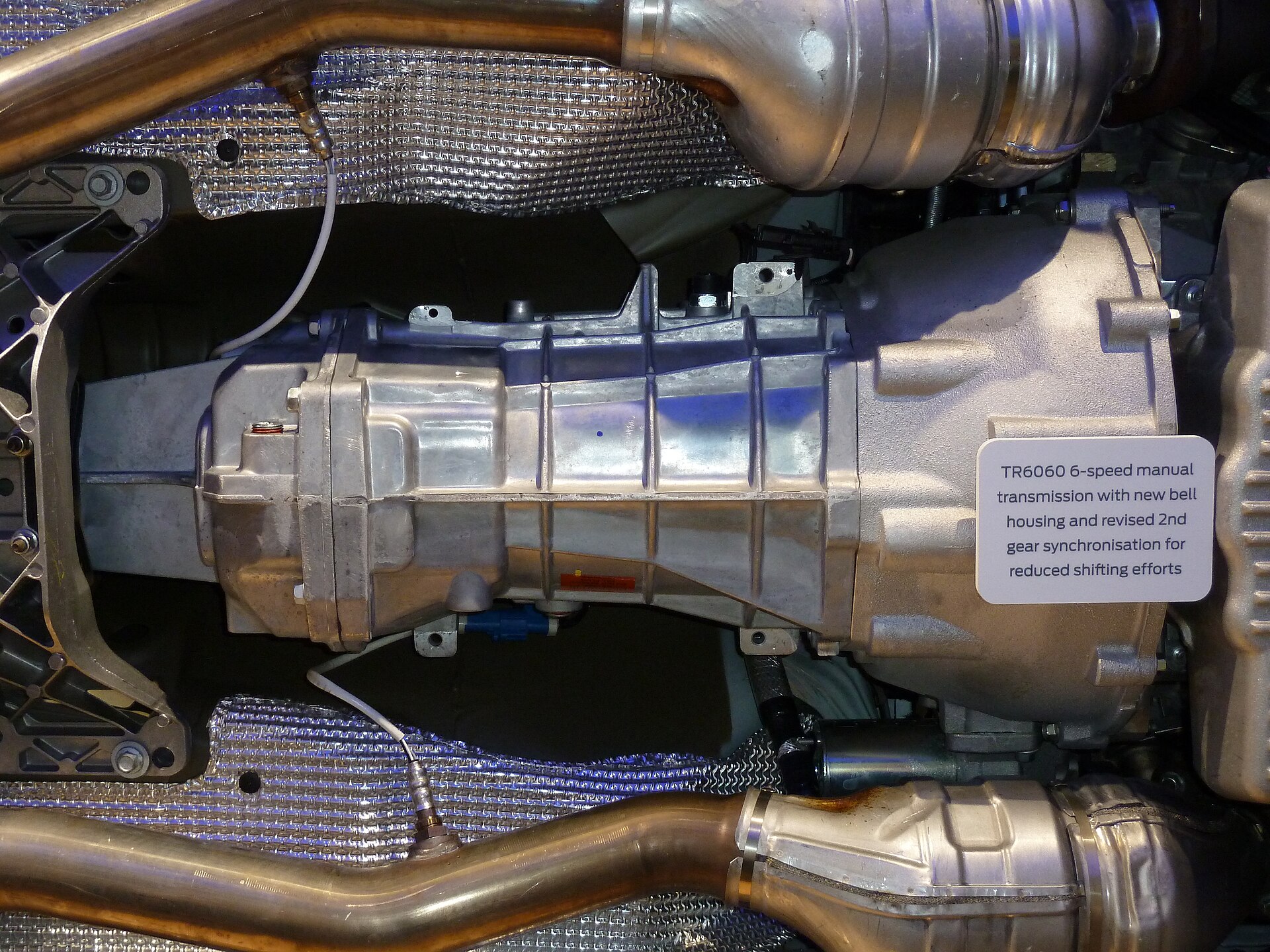
If drivers experience road hazards while coasting in neutral, they cannot use the accelerator pedal to avoid the danger. Not only that, but handling around sharp corners is severely hampered while coasting in neutral. This is because the engine is disconnected from the drive train at that time.
The saving gas argument
It is an illogical claim that a car experiences greater fuel economy while coasting in neutral. In terms of gallons of gas consumed per hour, Popular Mechanics states that one gallon is consumed per hour when a car engine is left idling. Using that as a guide, if a car is coasting in neutral down a mile-long hill at an average speed of 30 mph, about .033 gallons of gas are consumed.
But the engine is still producing rpm
Through studies with an oscilloscope, it has been proven that the pulse-width-modulated wave signal controlling the fuel injector of a vehicle varies from 5 percent to 80 percent from idle to full throttle. The higher the percentage, the higher the rpm goes, and more fuel is consumed. Ultimately, once the car reaches the bottom of a hill – or as a car creeps up to a traffic light – the engine eventually slows to an idle rpm, about 1,000 rpm. This varies somewhat by vehicle. At that point, the car’s fuel injection starts adding fuel to keep the engine from stalling out. The driver feels this as a slight rev up, and the oscilloscope shows that pulse increase. Thus, gas is actually being wasted when the car shifts into neutral, claims Popular Mechanics.
Tricking the trip computer
For a variety of reasons, when a car is coasting in neutral, inaccurate readings are being sent to the trip computer. Essentially, the computer sends a “false positive” of drastically increased mileage while coasting. That’s why gallons into the tank divided by odometer mileage (and checked against a handheld GPS device) are more useful when analyzing fuel economy. All told, Popular Mechanics believes that drivers will save more fuel if they simply turn off the engine at a traffic light than if they used the unsafe driving technique of coasting in neutral.
Applying for auto loans isn’t unsafe; it’s typically a necessary part of shopping for a new car
Sources:
A “gravity hill” in Chenju, South Korea
MCDE Editorial
From the current CDE newsroom
 Negative equity on a premium PCP in 2026: how it happens and how to get outNegative equity traps premium car buyers fastest. We explain how it happens, how to avoid it, and the Consumer...
 PCP Early Settlement UK 2026: Halves Rule GuidePCP early settlement UK 2026: how to get a section 97 figure, use the 50% Halves Rule, and avoid voluntary sur...
 Company Car Tax 2026/27 UK Electric Vehicles: BIK Rates ExplainedCompany car tax 2026/27 UK: electric BIK rises from 3% to 4%, then 5%, 7%, 9% by 2029/30. Worked example, petr...
Buyer action
Where to check next
Use this as the final check before paying a deposit, signing finance paperwork or relying on a headline monthly figure.